
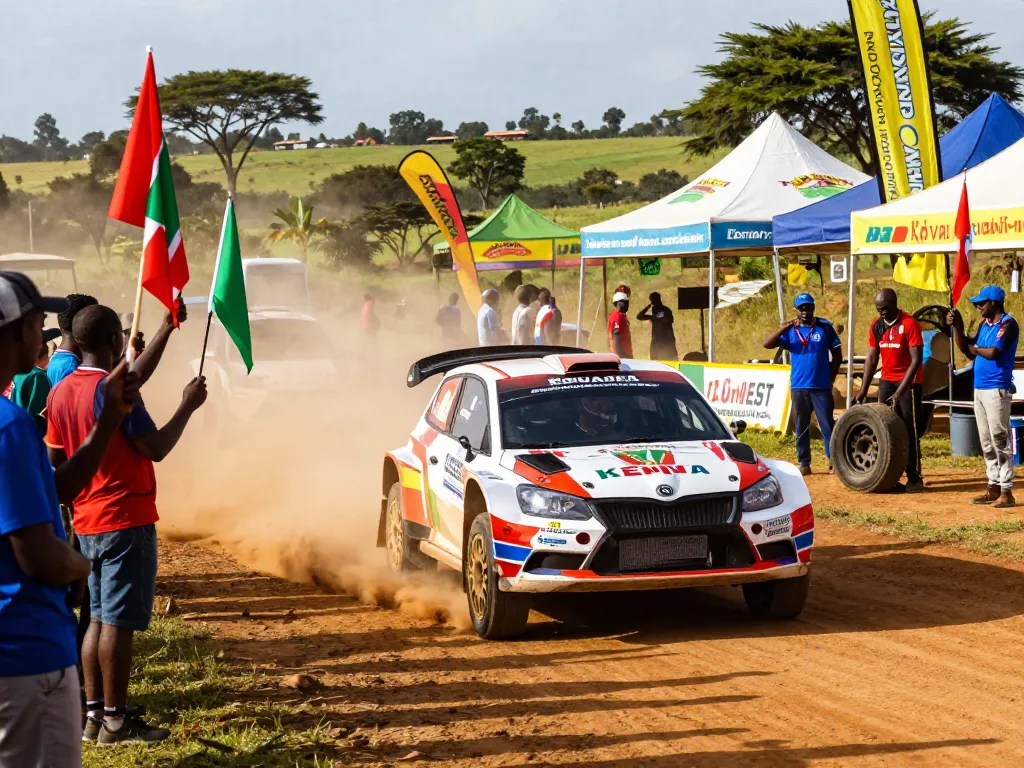
The Thriving Landscape of Kenya Motorsport
As one of the fastest-growing segments of the entertainment and sports industry in East Africa, kenya motorsport has captivated numerous fans and stakeholders alike. From rallying to circuit racing and everything in between, motorsport in Kenya is evolving rapidly, reflecting both its rich historical foundation and the contemporary innovations influencing it. This article delves into the multifaceted aspects of motorsport in Kenya, highlighting its growth, the key events in 2026, and the stakeholders shaping its future.
Historical Overview of Motorsport in Kenya
Motorsport in Kenya has a storied history that dates back to the early 20th century, with events such as the East African Safari Rally playing a pivotal role in establishing the country’s reputation on the international stage. Initially organized as a test of endurance for manufacturers, the Safari Rally captured the interest of local and global audiences alike, showcasing Kenya’s diverse landscapes and rugged terrains. Over the decades, it has transformed into one of the most prestigious events in the World Rally Championship (WRC), attracting top drivers and teams from around the world.
The establishment of the Kenya Motorsports Federation (KMSF) further cemented the country’s commitment to developing motorsport as a recognized sport. As the governing body, the KMSF has been instrumental in structuring various competitions and ensuring the safety and professionalism of events, paving the way for emerging talents and teams.
Major Competitions and Events in 2026
2026 promises to be an exciting year for motorsport enthusiasts in Kenya, with several key events scheduled throughout the year. The Safari Rally remains the highlight, expected to draw significant international participation. In addition, new events, such as the RX Motorsport Kenya Rallycross Championship, are set to introduce a thrilling blend of rally and circuit racing, aiming to attract a younger demographic.
Other notable competitions include local drag racing events and the annual car shows hosted by organizations like Daimlar Motorsports Kenya, which aim to celebrate car culture and innovation in the region.
Key Stakeholders in the Industry
The landscape of Kenya motorsport is enriched by numerous stakeholders, including the government, private sponsors, car manufacturers, and motorsport clubs. The KMSF plays a crucial role in organizing events and maintaining safety standards, while sponsorships from local businesses help fund these activities. In recent years, brands have increasingly recognized the potential of aligning their marketing strategies with motorsport events, providing critical financial support and visibility.
Understanding the Audience: Who are Motorsports Fans?
The audience for motorsport in Kenya is diverse, encompassing individuals from various demographics, including age, gender, and socioeconomic backgrounds. Fans range from passionate gearheads who follow every rally to families seeking thrilling weekend entertainment. Understanding this audience’s preferences and behaviors is essential for fostering growth in the sport.
Demographics of Motorsport Enthusiasts
Data indicates that motorsport fans in Kenya predominantly consist of young adults aged 18-35, with a growing interest among families. This demographic trend highlights the need for events to cater to both hardcore racing fans and casual spectators. Additionally, social media engagement has shown significant growth, with platforms providing an avenue for fans to interact with one another and with their favorite drivers and teams.
Fan Engagement Strategies for 2026
To enhance fan engagement, motorsport organizations should leverage technology and social media platforms. Initiatives such as virtual meet-and-greets with drivers, behind-the-scenes livestreams, and interactive content can help create a more compelling experience for fans. Furthermore, incorporating gamification elements, such as online competitions or prediction games around motorsport events, can drive participation and loyalty among fans.
Challenges Facing Audience Growth
Despite the positive trends, several challenges hinder audience growth in Kenya motorsport. Limited access to venues, high costs associated with attending events, and a lack of comprehensive promotion strategies can impede the expansion of the fan base. Addressing these challenges through strategic partnerships and community outreach can significantly enhance interest and participation in motorsport activities.
Building Successful Motorsport Teams
Success in motorsport is not solely reliant on talent; it requires a combination of teamwork, financial backing, and a strong organizational structure. This section explores the essential elements needed to build a successful motorsport team in Kenya.
Essential Skills and Roles for Team Success
A motorsport team needs a diverse set of skills to thrive on the track. From drivers to engineers, team managers, and mechanics, each role is critical in ensuring seamless operations. Furthermore, acquiring the right talent is essential; promising drivers need access to coaching, training, and support from experienced mentors.
Funding and Sponsorship Opportunities
Financial backing is vital for the sustainability of any motorsport team. Teams should actively pursue sponsorships from local businesses, automotive brands, and international companies seeking to establish a presence in East Africa. Creating a compelling sponsorship proposal that outlines the value proposition for potential sponsors can significantly enhance fundraising efforts.
Creating a Winning Team Culture
A successful team is built on a strong culture of collaboration and commitment. Establishing clear goals, celebrating achievements, and fostering open communication among team members are essential for maintaining morale and motivation. Regular team-building activities can also strengthen relationships and enhance overall performance on the track.
Technological Innovations in Kenya Motorsport
As technology evolves, so does its impact on motorsport, leading to enhanced performance and safety measures. This section discusses the innovative technologies transforming the motorsport landscape in Kenya.
Impact of Technology on Racing Performance
From advanced data analytics in vehicle performance to cutting-edge telemetry systems and sim racing technology, the integration of sophisticated tools is revolutionizing motorsport. Teams that leverage these technologies can make informed decisions about vehicle setups, optimize performance, and enhance the driver’s experience on the track.
Emerging Technologies in Motorsport for 2026
Looking ahead, technologies such as electric vehicles and sustainability initiatives will shape the future of motorsport. As concerns about climate change intensify, the motorsport community is increasingly adopting green technologies, which can attract a broader audience that values environmental responsibility.
Digital Marketing Trends in Motorsport
As motorsport adapts to the digital age, organizations are embracing innovative marketing strategies to reach their target audiences more effectively. Utilizing social media campaigns, influencer partnerships, and content marketing strategies can help motorsport organizations engage fans and amplify their presence in the market.
The Future of Kenya Motorsport
As we look to the future, the motorsport industry in Kenya is poised for growth, driven by increased interest and investment. Identifying emerging trends and preparing for future challenges will be crucial for sustaining this momentum.
Predicted Trends for 2026 and Beyond
The continued rise of e-sports and virtual racing, combined with increasing sponsorship opportunities, will play a significant role in shaping the future of Kenya motorsport. Additionally, the push for inclusivity and diversity within the sport is likely to attract a wider audience, further solidifying its place in the entertainment landscape.
How to Prepare for Future Challenges
To effectively navigate the future landscape, stakeholders must remain adaptable and proactive. Fostering collaboration within the industry, promoting grassroots initiatives, and advocating for regulatory support will help address potential hurdles and ensure growth in Kenya motorsport.
Case Studies: Successful Race Initiatives
Examining successful case studies from local motorsport initiatives offers valuable insights into best practices. For instance, the growth of local rallying events has demonstrated how grassroots engagement can foster a loyal fan base while generating significant economic activity in host regions.
What is the Role of the Kenya Motorsport Federation?
The Kenya Motorsport Federation plays a fundamental role in promoting and regulating the sport. By setting safety standards, organizing events, and creating pathways for aspiring drivers, the KMSF is crucial in developing the motorsport landscape in Kenya.
How to Get Involved in Motorsport as a Beginner?
Newcomers interested in motorsport can start by joining local clubs, attending events, or participating in driving schools. Engaging with experienced drivers and professionals in the industry can provide valuable insights and motivate newcomers to pursue their passion.
What are the Most Popular Racing Events in Kenya?
Popular racing events in Kenya include the Safari Rally, local drag racing competitions, and various car shows hosted across the country. Each event offers unique experiences and attracts diverse audiences, emphasizing the vibrant motorsport culture in Kenya.
What Safety Measures are in Place for Motorsport Events?
Safety is paramount in motorsport. Regulatory bodies like the KMSF implement strict safety standards for drivers, vehicles, and event staff to ensure a secure environment for all participants. Regular inspections, safety briefings, and the presence of medical personnel at events contribute to maintaining high safety standards.
How Can I Become a Professional Driver in Kenya?
Aspiring professional drivers can follow a structured path that involves gaining experience through local competitions, undergoing training, and acquiring necessary licenses. Networking with established drivers and participating in workshops can also provide valuable guidance and opportunities.