Understanding the Basics of Sliding Shower Door
What is a Sliding Shower Door?
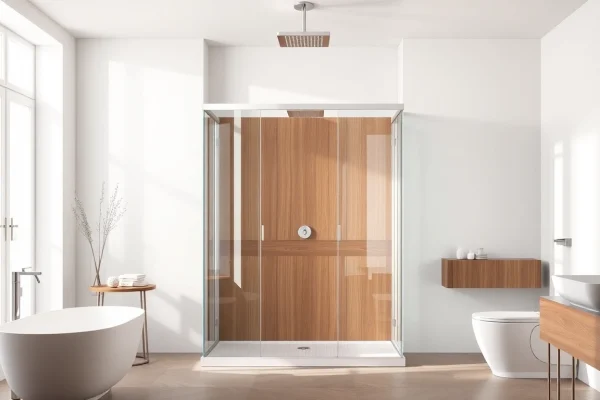
A sliding shower door is a popular choice in modern bathrooms, characterized by its ability to glide open and closed on a track. Unlike traditional hinged doors that swing outward, sliding doors maximize space, especially in compact areas. They are typically made of glass framed in aluminum or other materials, offering both functionality and aesthetic appeal. Their design accommodates various bathroom configurations, making them a versatile option for both renovations and new constructions. If you’re interested in exploring your options, check out this sliding shower door collection for some stylish choices.
Key Features and Variations
Sliding shower doors come in various styles, sizes, and materials. The primary features include:
- Material: Common materials include tempered glass, which is both durable and safe, and various framing options like aluminum or stainless steel.
- Framed vs. Frameless: Framed sliding doors have a visible frame around the glass, while frameless designs offer a sleek look with minimal hardware.
- Track Systems: There are different track configurations – traditional, dual, or even top-hung systems, impacting sliding efficiency and ease of installation.
- Glass Types: Options include clear, frosted, or tinted glass, allowing homeowners to customize privacy and light flow.
Benefits of Choosing a Sliding Shower Door
There are numerous advantages to installing a sliding shower door:
- Space-Saving: Sliding doors do not require additional space for swinging open, making them ideal for smaller bathrooms.
- Aesthetic Appeal: Their sleek design can enhance the overall look of your bathroom, adding a modern touch.
- Ease of Access: They offer smooth operation, making it easy to enter and exit the shower.
- Minimal Maintenance: With fewer components compared to traditional doors, cleaning and upkeep tend to be easier.
- Versatile Design: Available in various styles and finishes, sliding doors can fit any bathroom aesthetics.
Factors to Consider Before Purchase
Space and Configuration Needs
Before purchasing a sliding shower door, it’s crucial to assess your bathroom’s dimensions. Ensure that there is enough width for the door to slide smoothly without obstruction. Measure the height and width of the shower opening, and consider how the door’s design will impact accessibility. If the bathroom is particularly tight on space, consider models with minimal profiles or those that can be mounted directly to the wall.
Material Options for Sliding Shower Door
The choice of material significantly affects both the appearance and functionality of your sliding shower door. Here are common options:
- Tempered Glass: This safety glass is heat-treated for strength and is less likely to shatter.
- Acrylic: A lighter option that may be more affordable but with less durability compared to glass.
- Framing Material: Aluminum is popular due to its resistance to rust. Stainless steel adds a premium feel and is incredibly durable.
- Finish Options: Consider finishes like chrome, oil-rubbed bronze, or matte black for the hardware, which can dramatically change the door’s overall look.
Style and Aesthetic Considerations
Choose a sliding shower door that complements your bathroom’s existing style. Framed doors make a bold statement, while frameless options provide a clean and modern look. Additionally, consider the door’s transparency; clear glass can make a small bathroom feel larger, while frosted glass offers privacy without sacrificing light.
Installation Process for a Sliding Shower Door
Preparation and Tools Required
Correct installation is vital for your sliding shower door’s long-term functionality. Necessary tools include a level, drill, screwdriver, tape measure, and safety glasses. Additionally, have a partner to assist you during the installation, as some components may require extra hands.
Step-by-Step Installation Guide
Here is a summarized version of the installation process:
- Step 1: Measure and Mark: Measure your shower opening and mark where the track will be positioned.
- Step 2: Install the Track: Attach the track to the wall, ensuring it’s level.
- Step 3: Attach the Door Rollers: Install the rollers to the top of the shower door according to the manufacturer’s instructions.
- Step 4: Hang the Door: Lift the door and slide the rollers into the track, securing them in place.
- Step 5: Install the Bottom Track: Attach any bottom track pieces to prevent the door from swinging out.
- Step 6: Seal the Edges: Apply silicone caulk at the edges where the door meets the wall to ensure water-tightness.
Common Installation Mistakes to Avoid
Avoiding common pitfalls can save you time and ensure your door functions correctly:
- Incorrect Measurements: Double-check all measurements before cutting or drilling.
- Uneven Track Installation: Always use a level; an uneven track can cause the door to malfunction.
- Forgetting Sealant: Seal any gaps to prevent water leakage that can cause mold or damage.
- Not Anchoring Properly: Ensure all components are anchored securely to prevent future issues.
Maintenance Tips for Sliding Shower Door
Regular Cleaning Practices
To keep your sliding shower door looking pristine, regular cleaning is essential. Use mild, non-abrasive cleaners and a soft cloth or sponge to avoid scratching the glass. Clean tracks with an old toothbrush to remove buildup, and consider applying a glass treatment to repel water spots and soap scum.
Signs of Wear and Tear
Be aware of early signs that indicate your sliding shower door might need repair or replacement:
- The door does not slide smoothly.
- You notice significant rust on metal components.
- Cracks or chips in the glass.
- Water leakage around door edges.
When to Seek Professional Help
If the installation seems overwhelming or if you encounter significant issues like misalignment or excessive leakage, it may be best to consult a professional. Experts can ensure that the door operates smoothly and prevent long-term damage to your shower or bathroom.
FAQs About Sliding Shower Door
How much do sliding shower doors cost?
Costs can range from $700 to $2,000, depending on size, materials, and design complexity. Customized options may be more expensive.
Are sliding shower doors suitable for small spaces?
Yes, sliding doors are ideal for small bathrooms as they stay within their frame without requiring additional space to swing open.
What materials are best for sliding shower doors?
Tempered glass is preferred for safety and durability. Aluminum or stainless steel are common choices for framing due to their resistance to rust and corrosion.
Can I install a sliding shower door myself?
Yes, provided you have tools and a guide. However, should you feel unsure, consider hiring a professional for a smooth installation.
What are the common problems associated with sliding shower doors?
Common issues include misalignment, rusting tracks, leakage, and difficulty sliding. Regular maintenance can minimize these problems.