Understanding Marginal Pond Plants
Marginal pond plants are an essential element of any aquatic ecosystem. These plants thrive in the shallow edges of ponds and waterways, creating a lush landscape that enhances both the aesthetic and ecological value of your garden. They serve numerous purposes, ranging from providing shelter for wildlife to filtering and purifying water. When exploring options, Marginal Pond Plants offer a diverse array of species that can transform your backyard into a vibrant wildlife haven.
What Are Marginal Pond Plants?
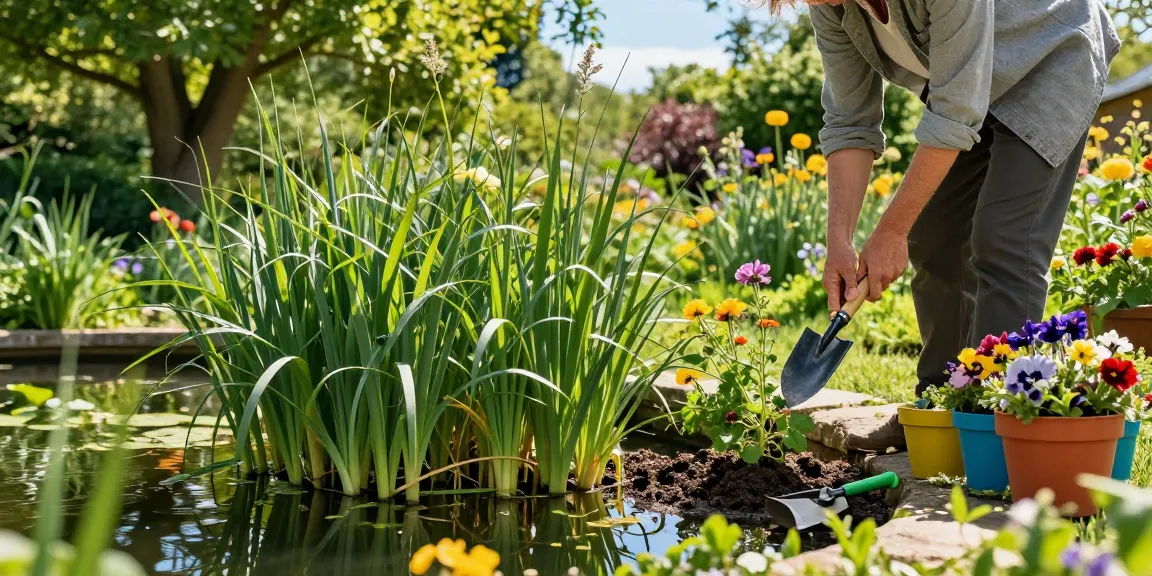
Marginal pond plants refer to the species that grow in the shallow waters at the edges of ponds, lakes, and streams. Typically, these plants have their roots in the water but extend their stems and leaves above the surface. This unique growth habit allows them to take advantage of both aquatic and terrestrial environments. Common examples include sedges, rushes, and various flowering plants, each contributing to a balanced ecosystem.
Benefits of Using Marginal Pond Plants
Integrating marginal pond plants into your garden provides several key benefits:
- Habitat Creation: These plants offer vital habitats for amphibians, insects, and birds.
- Water Quality Improvement: They absorb nutrients and help filter contaminants from the water, contributing to a healthier pond.
- Aesthetic Appeal: With their varied textures and colors, marginal plants enhance the visual beauty of your garden.
- Soil Stabilization: The root systems of these plants help bind soil at the water's edge, preventing erosion.
Common Varieties of Marginal Pond Plants
When selecting marginal pond plants, consider a variety of species to create biodiversity. Some popular choices include:
- Marsh Marigold (Caltha palustris): Bright yellow flowers that bloom in spring, attracting pollinators.
- Yellow Flag Iris (Iris pseudacorus): Known for its striking yellow blooms and ability to thrive in wet conditions.
- Common Reed (Phragmites australis): A tall grass that provides excellent cover for wildlife.
- Sedge (Carex): Various species that add texture and interest while controlling erosion.
Choosing the Right Marginal Pond Plants for Your Garden
Choosing the correct marginal pond plants for your garden is critical for establishing a thriving ecosystem. Factors such as your local climate, the size of your pond, and the specific conditions of your garden will influence your selection.
Factors to Consider When Selecting Plants
When selecting marginal pond plants, keep the following considerations in mind:
- Climate: Choose species that are suitable for your local climate to ensure optimal growth.
- Pond Size: Larger ponds may require robust plants, while smaller ponds can be suited to more delicate varieties.
- Water Depth: Different plants thrive at varying water depths; ensure they are appropriate for the specific areas in your pond.
- Sunlight Exposure: Observe how much sun the planting area receives to select plants that will thrive in the given light conditions.
Best Plant Combinations for Visual Appeal
Creating an aesthetically pleasing pond involves careful planning of plant combinations. Here are some ideal pairings:
- Color Contrast: Combine bright yellow Flag Iris with lush green Sedges for a striking contrast.
- Height Variation: Mix taller plants like Common Reed at the back with shorter varieties like Marsh Marigold at the front.
- Seasonal Interest: Include plants with different blooming periods to ensure continuous color throughout the growing season.
Environmental Considerations for Pond Health
Maintaining a healthy pond ecosystem requires an understanding of how marginal plants interact with their environment. They can play a significant role in:
- Water Filtration: By absorbing excess nutrients, marginal plants help prevent algal blooms.
- Oxygen Production: These plants contribute to oxygen levels in the water, which is vital for fish and other aquatic life.
- Temperature Regulation: Plants provide shade, helping to moderate water temperatures for inhabitants.
Planting and Caring for Marginal Pond Plants
Successfully establishing marginal pond plants in your garden requires proper planting techniques and ongoing care. Proper attention to these elements will ensure robust growth and sustainability.
Step-by-Step Planting Guide
Follow these steps to plant your marginal pond plants effectively:
- Site Preparation: Clear the designated area of debris and weeds.
- Planting: Dig holes that accommodate the root systems of your plants. Ensure that they are placed at the correct depth in relation to water level.
- Watering: Water the plants well after planting to help settle the soil around their roots.
- Mulching: Apply a layer of organic mulch around the plants to retain moisture and suppress weeds.
Maintenance Tips for Healthy Growth
To promote the health of your marginal pond plants:
- Regular Pruning: Trim back dead or overgrown foliage to encourage new growth.
- Nutrient Management: Use organic fertilizers to support plant health without disrupting aquatic life.
- Invasive Species Control: Keep an eye out for invasive plants and remove them promptly to protect your pond's biodiversity.
Common Pests and Diseases to Watch For
While marginal pond plants are generally hardy, they can be susceptible to pests and diseases. Watch for the following:
- Snails: While not always harmful, they can overpopulate and damage delicate plants.
- Leaf Spot: This fungal disease can affect leaves; ensure good air circulation to minimize risk.
- Root Rot: Overwatering or poor drainage can lead to root issues; select appropriate planting sites to mitigate this.
Enhancing Your Pond Ecosystem with Marginal Plants
Marginal pond plants do more than beautify your garden; they are crucial in fostering a balanced aquatic ecosystem. Understanding their roles will help you utilize these plants effectively.
Creating a Balanced Ecosystem
A balanced pond ecosystem requires interdependence among its components. Marginal plants contribute by:
- Supporting Wildlife: Providing food and shelter for various species, including insects, amphibians, and birds.
- Promoting Biodiversity: Diverse plant life supports a wider range of aquatic species.
- Enhancing Water Quality: By filtering pollutants and providing oxygen, they maintain a healthy environment for aquatic life.
Wildlife Benefits of Marginal Pond Plants
Incorporating marginal pond plants helps create habitats for a variety of wildlife, including:
- Birds: Many species use the foliage for nesting and food sources.
- Amphibians: Frogs and toads often seek shelter among the plants during the day.
- Beneficial Insects: Pollinators and predator species find food and breeding grounds within marginal plants.
Using Plants for Natural Filtration
Marginal pond plants act as natural filters, improving water clarity and quality. Some ways they achieve this include:
- Nutrient Uptake: They absorb excess nutrients, which can help reduce the occurrence of algae blooms.
- Suspended Particle Removal: Roots trap and filter out sediment and debris, keeping the water clean.
- Improving Oxygen Levels: Photosynthesis from these plants contributes to higher oxygen levels essential for aquatic life.
Future Trends in Marginal Pond Planting
As we look to the future of marginal pond planting in 2026 and beyond, several trends are emerging that will impact both gardeners and the environment.
Innovative Plant Varieties on the Horizon
Expect to see new cultivars specifically developed for enhanced resilience and aesthetic qualities. Breeding programs will focus on:
- Increased Drought Tolerance: Varieties that thrive under fluctuating water levels are being developed.
- Enhanced Disease Resistance: Efforts are underway to create plants less susceptible to common diseases.
- Unique Aesthetic Features: New color variations and leaf patterns will add diversity to garden designs.
Sustainability Practices in Pond Gardening
With increasing environmental awareness, sustainable practices will be at the forefront of pond gardening. This includes:
- Organic Gardening: Using natural fertilizers and pest control methods to maintain garden health.
- Water Conservation: Employing techniques that minimize water usage while maintaining plant health.
- Native Species Utilization: Focusing on local species that require less maintenance and are better suited to the local ecosystem.
Predicted Changes in Gardening for 2026 and Beyond
The future of gardening, particularly for ponds, includes a shift towards:
- Increased Education: Gardeners will benefit from more resources on ecosystem management and conservation strategies.
- Technological Integration: Smart gardening tools will help monitor water quality and plant health.
- Community Collaboration: Local initiatives will encourage groups to work together to improve water bodies and green spaces.
What Challenges Can Gardeners Expect?
As with any gardening trend, challenges will arise. Gardeners may face:
- Pest Resurgence: With climate change, some pests might become more prevalent, requiring adaptive management strategies.
- Resource Limitations: Water scarcity or regulatory restrictions may necessitate more efficient gardening practices.
- Climate Variability: Unpredictable weather patterns could impact plant selection and maintenance schedules.
How to Stay Updated with Trends in Pond Gardening?
Keeping informed about the latest trends in pond gardening can lead to better practices and outcomes. Strategies include:
- Joining Gardening Clubs: Engage with local or online communities to share knowledge and experiences.
- Following Experts: Subscribe to newsletters or blogs by horticulturists focusing on aquatic plants.
- Attending Workshops: Participate in local gardening workshops or seminars to learn hands-on techniques.