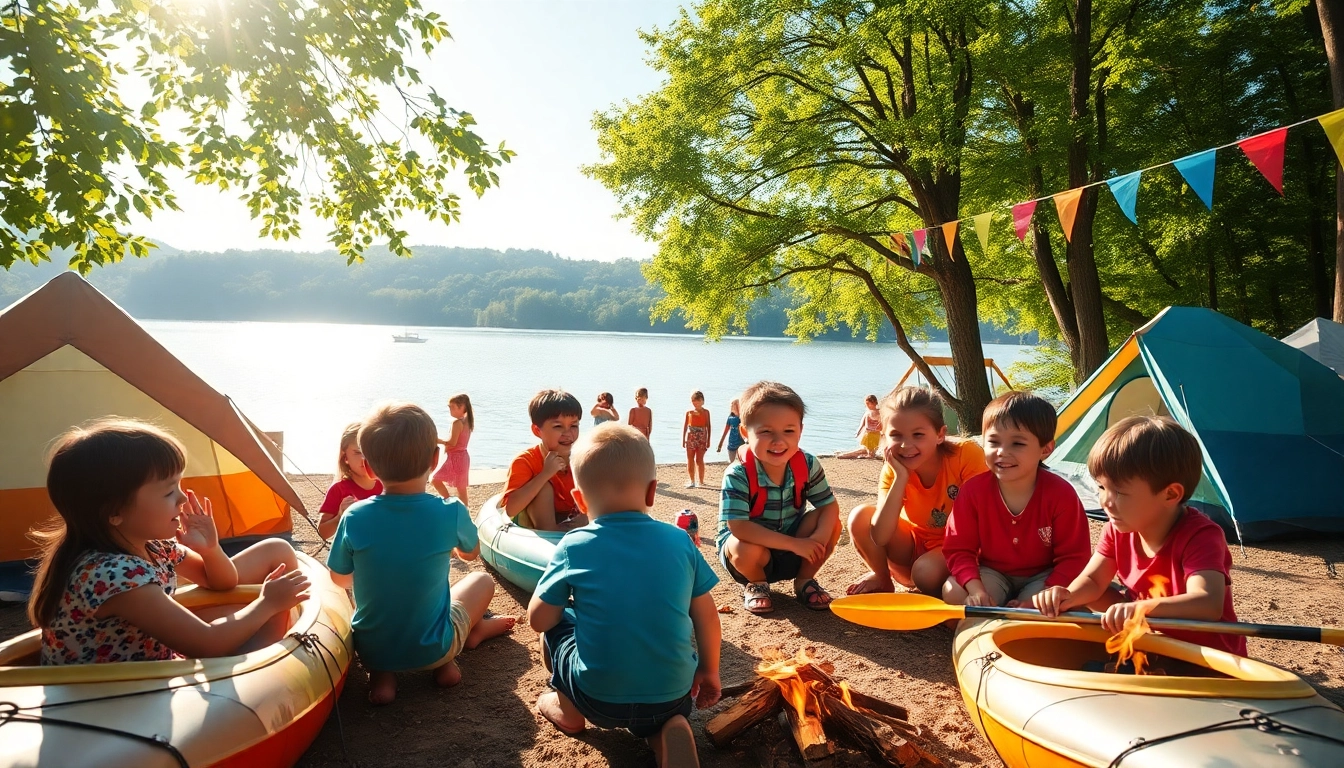
Understanding the Concept of Holiday camps
What Are Holiday camps?
Holiday camps are special recreational programs designed to engage children and teenagers during school breaks, such as summer vacations, winter holidays, and spring breaks. These camps provide a structured environment where participants can engage in various fun and educational activities. Unlike traditional daycare, Holiday camps prioritize hands-on experiences, fostering personal growth, social skills, and creativity among young participants.
Benefits of Attending Holiday camps
Enrolling in holiday camps offers numerous benefits beyond mere entertainment. Here are some key advantages:
- Skill Development: Camps often feature specialized programs focusing on sports, arts, and STEM education, enhancing campers' skills.
- Social Interaction: Campers engage with peers, forging new friendships and improving their social skills.
- Physical Activity: Many camps emphasize outdoor activities, helping campers stay active and healthy.
- Independence: Being away from home teaches children valuable life skills, boosting self-confidence and independence.
Types of Holiday camps Available
Holiday camps come in various formats, catering to diverse interests and age groups:
- Day Camps: These camps operate during the day, allowing campers to return home each evening. They typically offer multiple activities and thematic weeks.
- Overnight Camps: For a more immersive experience, overnight camps provide housing and daily activities, encouraging deeper connections among campers.
- Specialty Camps: Targeting specific interests such as sports, music, or arts, these camps focus on enhancing particular skills.
- Adventure Camps: For those who love the outdoors, these camps incorporate hiking, climbing, and other adventurous activities.
Choosing the Right Holiday camps
Factors to Consider When Selecting Holiday camps
Choosing the perfect holiday camp can be a challenging task for parents. Here are crucial factors to consider:
- Location: Proximity can make drop-offs and pick-ups easier.
- Activities Offered: Ensure the camp provides activities that align with your child's interests.
- Staff Qualifications: Look for trained professionals who are not only skilled but also care for children's safety and well-being.
- Camp Reviews: Check testimonials and reviews from previous parents and campers to gauge the camp’s reputation.
Age-Appropriate Holiday camps Options
It is essential to choose a camp that suits your child's age group. Some camps cater specifically to younger kids, while others may focus on teenagers or pre-teens. Ensuring age-appropriate activities helps maintain engagement and safety.
Cost Considerations for Holiday camps
Understanding the financial aspect of holiday camps is critical. Costs can vary widely based on camp type, duration, and location. While some camps may offer financial assistance or payment plans, others may be premium and require upfront payment. Gathering detailed pricing information before making a decision is important.
Popular Activities at Holiday camps
Outdoor Adventures in Holiday camps
Outdoor activities are a significant component of many holiday camps. These can include:
- Hiking: Exploring local trails enhances physical fitness while connecting campers with nature.
- Water Sports: Activities like kayaking, canoeing, or swimming are commonly enjoyed in camps situated near water bodies.
- Team Sports: Intramural games in soccer, basketball, or capture the flag promote teamwork and competitive spirit.
Creative Workshops at Holiday camps
Camps also offer creative workshops that allow campers to express themselves through various mediums. Examples include:
- Art Classes: Engaging in painting, sculpting, or crafts fosters creativity and fine motor skills.
- Theater Productions: Drama and theater programs help develop confidence and public speaking abilities.
- Music Sessions: Learning instruments or participating in band activities encourages teamwork and musical skills.
Team Building Exercises in Holiday camps
Many camps emphasize teamwork through activities designed to enhance cooperation, such as:
- Obstacle Courses: Creating challenges promotes problem-solving skills and collaboration among campers.
- Group Games: Activities like trust falls or team relays are effective for building interpersonal skills.
Safety and Health in Holiday camps
Health Protocols in Holiday camps
Safety is paramount in any holiday camp. Many implement comprehensive health protocols, including:
- Medical Personnel: On-site medical staff ensures quick responses to health emergencies.
- Health Screenings: Regular check-ups may be conducted to monitor campers' health.
- Hygiene Practices: Camps enforce routines for handwashing and sanitation to promote health.
Emergency Preparedness in Holiday camps
Effective emergency preparedness is vital for ensuring camper safety. Camps often have:
- Emergency Response Plans: Detailed guidelines are established to handle situations ranging from illness to severe weather.
- Training Sessions: Staff undergo rigorous training to manage emergencies, including fire drills and first aid training.
Guidelines for Parents' Peace of Mind in Holiday camps
Parents can ensure their children's safety by:
- Requesting Information: Asking camp directors about safety protocols and staff qualifications can provide reassurance.
- Visiting Camps: If possible, touring the facility before enrolling can help parents feel more comfortable.
Testimonials and Success Stories from Holiday camps
Real Experiences: What Campers Say
Feedback from previous campers often highlights life-changing experiences. Common themes include newfound friendships, memories of exciting activities, and improved self-esteem. Testimonials often showcase how camps shaped their summer experiences and personal development.
Impact of Holiday camps on Personal Growth
Many campers report significant changes post-camp. The challenges faced in various camp activities can foster resilience, adaptability, and self-confidence. These attributes are invaluable long after camp concludes.
Creating Memories: How Holiday camps Shape Lives
Overall, holiday camps remain a timeless tradition, enabling kids to create unforgettable memories. The friendships formed, lessons learned, and skills acquired leave a lasting impression on campers, enriching their lives for years to come.
Frequently Asked Questions
What ages are suitable for Holiday camps?
Holiday camps typically cater to children ages 5 to 18. Some camps have specific age groups, ensuring age-appropriate activities for each participant.
How can I prepare my child for their first camp experience?
Preparing your child can involve discussing what to expect, encouraging them to engage socially, and packing familiar items from home for comfort.
Are there financial assistance options available for Holiday camps?
Many camps offer financial aid or scholarships. It's advisable to inquire directly with the camp organization regarding available assistance.
What should my child pack for camp?
Essential items may include clothing, toiletries, a water bottle, a sleeping bag (for overnight camps), and any specific gear required for planned activities.
Can parents visit during the camp?
Visiting policies vary by camp. Many have specific days for parents to visit, while others maintain strict visiting hours to keep campers engaged.