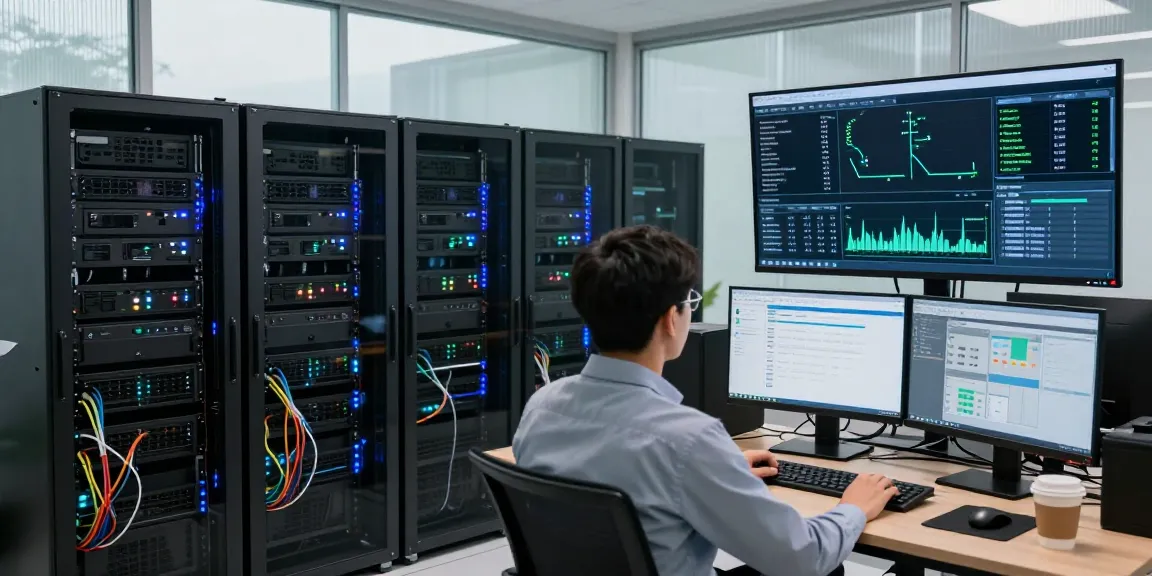
Overview of United Kingdom IPTV Platforms
IPTV, or Internet Protocol Television, has gained immense traction in the United Kingdom, reshaping how viewers access media. The proliferation of broadband internet and advanced streaming technology has contributed to the surge of IPTV services, allowing users to enjoy live television and on-demand content through their internet connection. This article will delve into various aspects of united kingdom IPTV, including an overview of its technology, key providers, and anticipated market trends in the coming years.
Understanding IPTV Technology
At its core, IPTV functions by transmitting television content over IP networks, diverging from traditional satellite or cable methods. This technology leverages various protocols to deliver video, including the Real-Time Streaming Protocol (RTSP) and Hypertext Transfer Protocol (HTTP). Different streaming approaches can be classified into three primary types: Live IPTV, Video on Demand (VOD), and Time-Shifted IPTV. This flexibility allows users to choose how and when they consume media.
Understanding the technical backbone of IPTV requires familiarity with several components. The content delivery network (CDN) plays a crucial role in ensuring the efficient transmission of data across the globe. By caching content closer to viewers, CDNs improve load times and enhance user experience. In addition, the use of adaptive bitrate streaming ensures that the quality of the video adjusts dynamically based on the viewer's internet speed.
Top IPTV Providers in the UK
The UK market features various IPTV providers catering to diverse viewer preferences, including subscription-based models, ad-supported services, and pay-per-view options. Noteworthy providers include BT TV, Sky, Virgin Media, and more niche players like NOW TV and various independent sources. Each platform showcases unique features, collaborations, and content libraries, making it pivotal for users to evaluate options based on their viewing habits, device compatibility, and pricing models.
Market Trends in 2026
As we approach 2026, trends indicate continued growth and innovation in the IPTV sector. The advent of 5G technology promises faster, more reliable streaming services, enabling the seamless delivery of high-quality content to a broader range of devices. Additionally, the integration of artificial intelligence for personalisation in content recommendations is expected to enhance user experiences significantly. Market analysts predict an increase in collaborative partnerships between telecom providers and content creators, leading to more specialised and localised offerings.
Software Development for IPTV Solutions
Developing robust IPTV solutions requires a strong foundation in software architecture and coding practices. With the increasing demand for IPTV services, developers must adopt innovative approaches for optimal performance and scalability.
Essential Software Architectures
In crafting IPTV solutions, adopting a microservices architecture is highly advantageous. By breaking down applications into smaller, independent services, developers enhance maintainability and scalability. Additionally, leveraging APIs enables seamless integration with third-party services, enhancing the viewer experience with diverse functionalities like recommendations and advertising. Implementing a CI/CD (Continuous Integration/Continuous Deployment) pipeline automates testing and deployment processes, ensuring that updates are delivered swiftly and without disrupting the viewing experience.
Best Practices in Coding for IPTV
When coding IPTV applications, developers should adhere to several best practices to ensure reliability and performance. This includes utilising coding standards such as DRY (Don't Repeat Yourself) and KISS (Keep It Simple, Stupid). Performance benchmarks such as load testing and stress testing should regularly inform development to prevent service interruptions during peak usage times. Additionally, implementing error handling mechanisms and logging can significantly benefit troubleshooting efforts.
Key Development Tools and Frameworks
The choice of tools and frameworks can greatly influence the development process. Popular programming languages for IPTV solutions include JavaScript for front-end applications and Node.js for server-side development. Frameworks such as React and Angular can assist developers in creating responsive user interfaces while maintaining the application’s fluidity. Moreover, using containerization technology like Docker can facilitate a streamlined deployment process across different environments.
Cloud Infrastructure for IPTV Services
Cloud computing has revolutionised how IPTV services are deployed and managed, allowing providers to scale rapidly and efficiently respond to viewer demand.
Leveraging AWS for IPTV Scalability
Amazon Web Services (AWS) offers a comprehensive suite of tools tailored for media delivery. Services such as AWS Elemental Media Services enable developers to build and manage video workflows seamlessly. Auto-scaling features allow IPTV providers to adapt resources in real-time based on traffic patterns, ensuring that the infrastructure can handle spikes in viewership without service degradation. Furthermore, AWS’s global presence enhances content delivery speeds, vital for satisfying viewers' demands for quick access.
Implementing Security Protocols in Cloud
Security is paramount for IPTV services, especially when handling sensitive subscriber information. Enforcing SSL/TLS encryption ensures that data transmitted between users and the server is secure from potential interception. Regularly updating security patches and conducting vulnerability assessments are crucial in maintaining integrity. Implementing Identity and Access Management (IAM) roles restricts access to sensitive aspects of the service, offering an additional layer of protection against data breaches.
Comparing Azure and GCP for Streaming
When it comes to cloud solutions, Microsoft Azure and Google Cloud Platform (GCP) are two leading contenders for IPTV service providers. While Azure offers robust integration with existing Microsoft tools and applications, GCP stands out for its advanced data analytics and machine learning capabilities. Each environment has its unique strengths, and the choice should align with business needs, technical expertise, and budget considerations.
AI and Machine Learning in IPTV
Artificial intelligence (AI) and machine learning (ML) are not just buzzwords; they are reshaping the IPTV landscape, enhancing various aspects of user experience and content delivery.
Enhancing User Experience with AI
AI algorithms can drastically improve user experience by personalising content delivery. Machine learning models analyse user behaviour and preferences to recommend shows and movies tailored to individual tastes. This bespoke approach not only increases user satisfaction but also encourages longer viewing times and higher engagement rates.
Data Analytics for Viewership Trends
Data analytics plays a vital role in understanding viewership patterns. By leveraging big data technologies, IPTV providers can track metrics such as peak viewing times, content engagement rates, and demographic analysis. This data aids in refining marketing strategies and content acquisition, ensuring that services remain competitive and appealing to users.
Personalisation Strategies for Content Delivery
Implementing effective personalisation strategies is essential in today’s competitive IPTV market. Techniques such as behaviour-based recommendations, interactive content, and targeted advertising campaigns can significantly enhance user experiences. Creating user profiles that adapt over time based on continuous learning from audience interactions ensures content remains relevant and engaging.
Cybersecurity Measures for IPTV Platforms
As IPTV platforms continue to proliferate, they also attract the attention of malicious actors. Hence, establishing robust cybersecurity measures is critical.
Threat Mitigation Techniques
Several techniques exist to mitigate threats in IPTV services. Network segmentation shields critical infrastructure from external threats, while employing Intrusion Detection Systems (IDS) helps monitor and analyse potential breaches in real-time. Regular penetration testing can uncover vulnerabilities before they can be exploited by cybercriminals.
Building Robust Security Protocols
Security protocols need to encompass multiple layers to safeguard IPTV services. Implementing strict authentication processes, such as multi-factor authentication (MFA), helps to protect user accounts from unauthorised access. Data encryption, both in transit and at rest, ensures that sensitive information is safeguarded from potential interception or breaches.
Compliance with UK Broadcasting Laws
Adherence to UK broadcasting laws is essential for IPTV providers. The Digital Economy Act and regulations set forth by Ofcom outline framework rules for content distribution and user rights. Ensuring compliance not only safeguards broadcasters legally but also fortifies consumer trust in the service.
FAQs on United Kingdom IPTV
What is IPTV and how does it work?
IPTV is a method of delivering television content via internet protocol networks rather than traditional terrestrial, satellite, or cable formats. It works by transmitting streams of multimedia signals over established internet connections, allowing users to watch live broadcasts and on-demand content directly on their devices.
Are there any legal concerns with IPTV in the UK?
Yes, legal concerns primarily revolve around copyright infringement and adherence to broadcasting regulations. Users should ensure they are subscribing to legitimate IPTV services to avoid potential legal repercussions.
How to select the best IPTV service for your needs?
Selecting the best IPTV service involves considering various factors including channel selection, pricing, ease of use, and device compatibility. It's also beneficial to consult user reviews and assess customer support to ensure a satisfactory viewing experience.