Understanding Event Videography Services
What Are Event Videography Services?
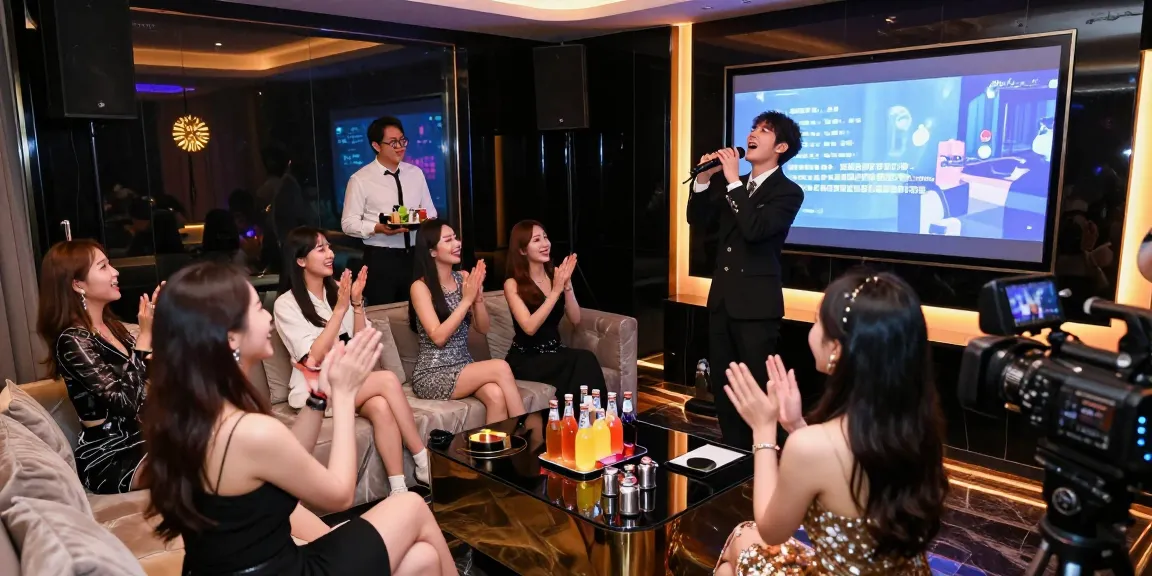
Event videography services encompass the professional recording and editing of events, capturing everything from corporate meetings to wedding celebrations. Unlike casual videography, these services emphasize high-quality production techniques, creative storytelling, and professional equipment to ensure that every moment is preserved authentically. The essence of event videography services lies in their ability to convey emotions and create lasting memories through visual storytelling.
The Importance of Professional Videography
Investing in professional videography for your events can yield substantial benefits. Firstly, it allows you to relive your cherished moments. A skilled videographer can capture nuances that may go unnoticed, such as spontaneous laughter or heartfelt interactions among attendees. Additionally, high-quality videos can improve engagement when shared on social media or utilized in marketing efforts. The emotional impact of seeing a well-crafted video can reinforce relationships, boost morale, and create a sense of community, which is particularly valuable in corporate settings.
Types of Events Ideal for Videography
Event videography is ideal for a myriad of occasions including but not limited to:
- Weddings: Documenting the union of two individuals, capturing the romance and atmosphere of the day.
- Corporate Events: From product launches to team-building retreats, videography can enhance branding efforts.
- Festivals and Concerts: Showcasing performances, crowd reactions, and the overall vibe of the event.
- Birthdays and Anniversaries: Celebrating milestones with expertly captured memories.
- Educational Events: Conferences and seminars benefit from recordings that can aid in knowledge sharing and future planning.
Planning Your Event Videography
Determining Your Videography Needs
Before hiring a videographer, it’s essential to identify your event's specific videography needs. Consider the scope of your event, including the potential locations and available durations for shooting. Think about whether you'd prefer a highlight reel or a full-length video that documents every detail. Additionally, contemplate the desired emotional tone you wish the video to evoke—this will guide your selection of videography style and techniques.
Choosing the Right Videographer
Selecting the right videographer is a crucial step in guaranteeing the success of your event’s visual documentation. Start by reviewing portfolios to assess their style, technique, and previous work. Look for testimonials or reviews from past clients to evaluate reliability and professionalism. It's also wise to arrange interviews to discuss your specific needs and determine if their approach aligns with your vision.
Key Questions to Ask Your Videographer
When meeting potential videographers, asking the right questions can reveal critical insights into their capabilities and fit for your event. Consider asking:
- What is included in your videography package?
- How do you handle unexpected changes or challenges on the day of the event?
- Can you provide examples of your past work relevant to my event?
- What is your editing process like, and how long is the turnaround time?
- Do you have backup equipment in case of technical issues?
Executing the Videography Process
Preparation: Before the Event
Effective preparation is key to successful event videography. Arrange pre-event meetings to discuss the agenda, key moments to capture, and specific locations. Familiarizing the videographer with the venue's layout can help streamline the process and identify optimal shooting spots. Additionally, coordinating with other vendors and event planners can help avoid scheduling conflicts.
Filming Techniques for Captivating Footage
To achieve captivating footage, employing various filming techniques is essential. Utilize multiple camera angles to provide diverse viewpoints and create visual interest. Steady shots, slow motion, and framing techniques like the rule of thirds can enhance the final product. Engaging with guests using candid filming can also result in organic, heartfelt moments that truly reflect the event's spirit.
Post-Production Steps to Consider
Post-production is where raw footage transforms into a polished video. This stage includes editing, color correction, sound design, and possibly voiceovers or background music. Investing time in editing is vital to ensuring that the final product aligns with your original vision, telling a coherent story while maintaining the event's energy and spirit.
Maximizing Your Event Videography Experience
Incorporating Guest Participation
Encouraging guest participation can add a personal touch to your event video. This could involve gathering short testimonials, capturing interactions, or even having guests engage in a video booth where they can share their thoughts live. The perspectives of attendees can enrich the narrative and foster a sense of community among participants.
Personalization: Making Your Video Unique
Creating a personalized video can make your footage more meaningful. Consider incorporating elements specific to the event such as custom graphics, quotes, or memorable anecdotes that resonate with attendees. Tailoring the video to reflect personal touches, such as a favorite song or recurring themes, can create a unique storytelling experience.
Using Event Videos for Marketing
Leveraging your event video for marketing purposes can extend the event's reach beyond its duration. Promotional videos showcasing highlights can be distributed through social media platforms and websites, enhancing visibility and engagement. Additionally, such content can serve as a powerful testimonial tool to attract future clients or attendees for related events.
Measuring the Success of Your Event Videography
Set Goals for Your Videography Project
Before the event, setting clear goals for the videography project is crucial. Determine whether you want to increase brand awareness, capture user engagement, or simply document the experience for memories. Clearly defined goals will provide a framework for assessing the effectiveness of the video afterward.
Gathering Feedback from Attendees
Post-event feedback is an invaluable tool for evaluating the video’s success. Engage attendees through surveys or social media to gather their thoughts on the event and the video itself. This feedback can highlight aspects that resonated well and areas for improvement in future projects.
Analyzing Video Performance and Engagement
Finally, evaluating the video's performance across various platforms can provide insight into its impact. Track engagement metrics such as views, shares, comments, and conversions. This data can inform future videography projects, enhancing production quality and targeting strategies to align with audience preferences.
Frequently Asked Questions
What is the typical cost of event videography services?
The cost of event videography services can vary widely based on factors such as location, duration of the event, and complexity of the project. Basic packages may start at a few hundred dollars, while more comprehensive services can reach several thousand.
How long does it take to receive the final video?
The turnaround time for receiving the final video typically ranges from a few weeks to a couple of months. Factors influencing this timeline include the videographer's workload and the complexity of the editing required.
Can I request specific shots or moments be captured?
Absolutely! Communicating specific moments or shots you'd like captured is encouraged. Providing a list of key events or highlights can help ensure those moments are prioritized during filming.
How can I use my event video after the event?
Your event video can be repurposed for various marketing efforts including promotional campaigns on social media, website content, or in presentations. It serves as a powerful tool for engaging audiences and showcasing your brand's events.
What should I look for in a videography portfolio?
In a videography portfolio, look for diversity in style, quality of footage, creativity in storytelling, and technical competence. Pay attention to how previous projects resonate emotionally and see if they align with your vision for your own event.