
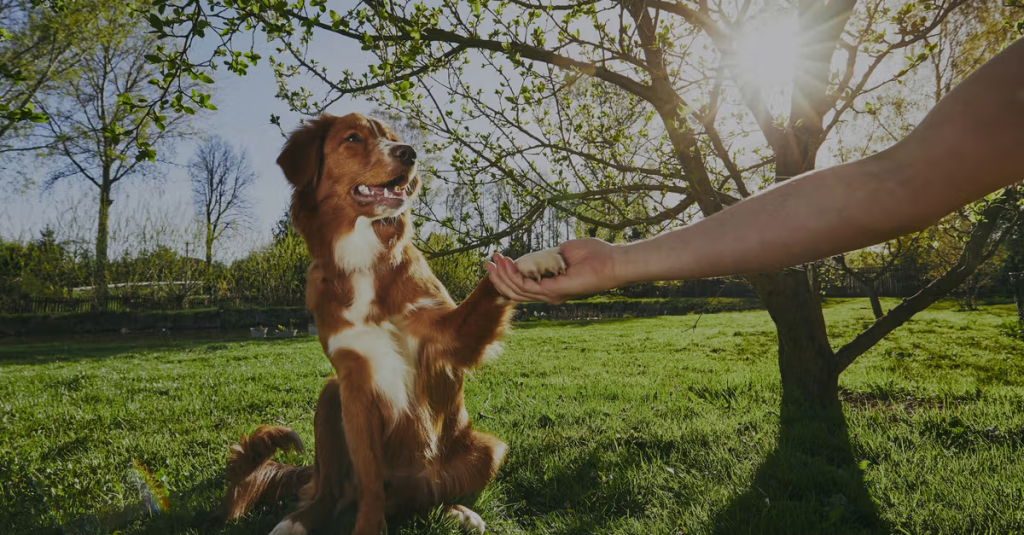
Bringing home a new puppy is an exciting experience filled with playful moments, affection, and the anticipation of watching your furry companion grow. While puppies bring joy into a household, they also require guidance to develop into well-mannered adult dogs. This is where puppy behavior training becomes one of the most important investments a dog owner can make.
The first few months of a puppy’s life are critical for shaping behavior, building confidence, and establishing healthy habits. Without proper training, common puppy behaviors such as excessive chewing, jumping, barking, and nipping can become long-term challenges. Fortunately, with the right approach, owners can teach their puppies how to behave appropriately while strengthening the bond they share.
This guide explores why puppy behavior training matters, the most common behavioral challenges, and practical strategies that help puppies become confident, well-adjusted companions.
- Why Puppy Behavior Training Matters
- Understanding Puppy Development Stages
- Common Behavioral Challenges in Puppies
- The Role of Positive Reinforcement
- Essential Puppy Behavior Training Skills
- Socialization and Behavioral Success
- Consistency Is the Key to Long-Term Success
- Creating a Positive Learning Environment
- When Professional Guidance Can Help
- Long-Term Benefits of Puppy Behavior Training
- Final Thoughts
Why Puppy Behavior Training Matters
Puppies are constantly learning from their environment. Every interaction, experience, and response from their owners teaches them something about how the world works.
Behavior training focuses on helping puppies understand what is expected of them while encouraging positive habits. Early training not only reduces unwanted behaviors but also supports emotional development and social confidence.
Benefits of puppy behavior training include:
- Improved communication between owner and puppy
- Better social skills around people and other dogs
- Reduced anxiety and fear-based reactions
- Increased confidence in new environments
- Stronger obedience and responsiveness
- Prevention of future behavioral problems
Many dog owners wait until issues develop before seeking help. However, addressing behavior proactively is often far more effective than correcting deeply ingrained habits later.
Understanding Puppy Development Stages
To train effectively, it helps to understand how puppies develop.
Early Learning Phase
During the first few months, puppies absorb information rapidly. They learn through observation, repetition, and consequences. Positive experiences during this period can shape lifelong behaviors.
Socialization Period
This stage is often considered one of the most influential periods in a puppy’s life. Exposure to different people, sounds, surfaces, environments, and animals helps puppies become adaptable and confident.
A lack of socialization can contribute to fearfulness, nervousness, and reactivity later in life.
Adolescent Phase
As puppies mature, they begin testing boundaries. Owners may notice selective listening, increased independence, and occasional regression in training. Consistency during this stage is essential to reinforce expectations and maintain progress.
Common Behavioral Challenges in Puppies
Nearly every puppy owner encounters some form of unwanted behavior. Understanding the reason behind these behaviors helps owners respond appropriately.
Nipping and Mouthing
Puppies naturally explore the world with their mouths. While nipping may seem harmless at first, it can become problematic if not addressed early.
Redirecting attention to appropriate chew toys and rewarding calm behavior helps puppies learn acceptable ways to interact.
Jumping on People
Many puppies jump because they are excited and seeking attention. Unfortunately, when people respond by petting or talking to the puppy, the behavior is unintentionally rewarded.
Teaching puppies to sit before receiving attention encourages more polite greetings.
Excessive Barking
Barking serves as a form of communication. Puppies may bark due to excitement, boredom, fear, or attention-seeking.
Identifying the cause of barking allows owners to address the underlying need rather than simply suppressing the behavior.
Chewing Household Items
Chewing is a natural behavior, particularly during teething. Puppies need appropriate outlets to satisfy this instinct.
Providing safe chew toys and limiting access to valuable items can help prevent destructive habits from developing.
Pulling on the Leash
Many puppies have never learned how to walk calmly beside their owners. Without guidance, pulling can quickly become a habit.
Early leash training teaches puppies that staying close results in rewards and positive experiences.
The Role of Positive Reinforcement
Modern puppy behavior training emphasizes positive reinforcement rather than punishment-based techniques.
Positive reinforcement involves rewarding desired behaviors to increase the likelihood they will occur again. Rewards can include:
- Treats
- Praise
- Toys
- Playtime
- Affection
For example, when a puppy sits calmly instead of jumping, rewarding that behavior encourages the puppy to repeat it in the future.
Positive reinforcement helps create a learning environment where puppies feel motivated, confident, and eager to participate.
Why Punishment Often Backfires
Punishment-based methods can create confusion and fear. While punishment may temporarily stop a behavior, it does not necessarily teach the puppy what to do instead.
In some cases, harsh corrections may increase anxiety, damage trust, and contribute to behavioral issues over time.
A training approach focused on guidance and reinforcement tends to produce stronger long-term results.
Essential Puppy Behavior Training Skills
Certain foundational skills provide the framework for good behavior throughout a dog’s life.
Name Recognition
Teaching a puppy to respond to its name creates the foundation for communication.
Practice saying the puppy’s name in a positive tone and rewarding attention immediately.
Sit
The sit command is one of the easiest and most useful behaviors to teach.
A reliable sit can help manage excitement, prevent jumping, and encourage calm behavior in many situations.
Recall
Recall training teaches puppies to come when called.
Strong recall skills improve safety and allow owners greater confidence during walks and outdoor activities.
Leave It
This command teaches puppies to ignore objects, food, or distractions when instructed.
It is particularly useful for preventing dangerous situations involving harmful items.
Settling Calmly
Teaching a puppy to relax on a designated mat or bed promotes emotional regulation and self-control.
This skill is valuable in homes, public spaces, and social environments.
Socialization and Behavioral Success
Socialization plays a major role in puppy behavior training.
Proper socialization involves exposing puppies to a wide variety of positive experiences in a controlled and safe manner.
Examples include:
- Meeting people of different ages
- Encountering bicycles and strollers
- Hearing household noises
- Walking on different surfaces
- Visiting pet-friendly locations
- Interacting with well-behaved dogs
The goal is not simply exposure but creating positive associations that help puppies feel comfortable in diverse situations.
Well-socialized puppies are often more adaptable and less likely to develop fear-based behaviors.
Consistency Is the Key to Long-Term Success
One of the most common reasons training stalls is inconsistency.
Puppies learn best when expectations remain clear and predictable. If one family member allows a behavior while another discourages it, the puppy receives mixed messages.
To improve consistency:
- Establish household rules.
- Use the same commands.
- Reward desired behaviors promptly.
- Practice training daily.
- Set realistic expectations.
Small training sessions repeated consistently are generally more effective than occasional lengthy sessions.
Creating a Positive Learning Environment
The environment can significantly impact a puppy’s ability to learn.
Puppies become easily distracted, especially in unfamiliar settings. Beginning training in quiet, low-distraction environments helps them focus and succeed.
As skills improve, gradually introducing more challenging environments strengthens reliability.
Helpful strategies include:
- Keeping sessions short and engaging
- Ending on a positive note
- Using high-value rewards
- Avoiding overwhelming situations
- Maintaining patience throughout the learning process
Successful training experiences build confidence and encourage continued progress.
When Professional Guidance Can Help
While many owners achieve excellent results on their own, professional support can accelerate learning and address specific challenges.
Professional trainers provide:
- Structured training plans
- Expert behavioral insights
- Socialization opportunities
- Customized solutions
- Accountability and support
Working with an experienced trainer can be especially beneficial for first-time puppy owners or those dealing with persistent behavioral concerns.
A professional can identify subtle issues before they become larger problems and help create a training strategy tailored to the puppy’s unique personality.
Long-Term Benefits of Puppy Behavior Training
The effects of puppy behavior training extend far beyond basic obedience.
A well-trained puppy often grows into a dog that is easier to manage, safer around others, and more enjoyable to include in daily activities.
Long-term benefits may include:
- Improved confidence
- Better impulse control
- Reduced stress for owners
- Stronger owner-dog relationships
- Greater freedom in public settings
- Increased safety during walks and outings
Investing time in training during puppyhood can positively influence a dog’s behavior for years to come.
Final Thoughts
Puppy behavior training is about much more than teaching commands. It is the process of helping a young dog develop confidence, self-control, and appropriate ways of interacting with the world. Early guidance allows puppies to build positive habits that support a lifetime of success.
By focusing on consistency, positive reinforcement, socialization, and clear communication, owners can help their puppies navigate new experiences with confidence and develop into well-mannered companions. Whether training takes place at home or with professional support, the effort invested during the early months creates lasting rewards for both the puppy and the family.
For dog owners seeking to build a strong foundation from the start, puppy behavior training remains one of the most valuable steps toward raising a happy, confident, and well-behaved dog. Working with experienced professionals such as Rob’s Dog Training can provide the guidance and structured support needed to help puppies develop positive behaviors that last a lifetime.

