
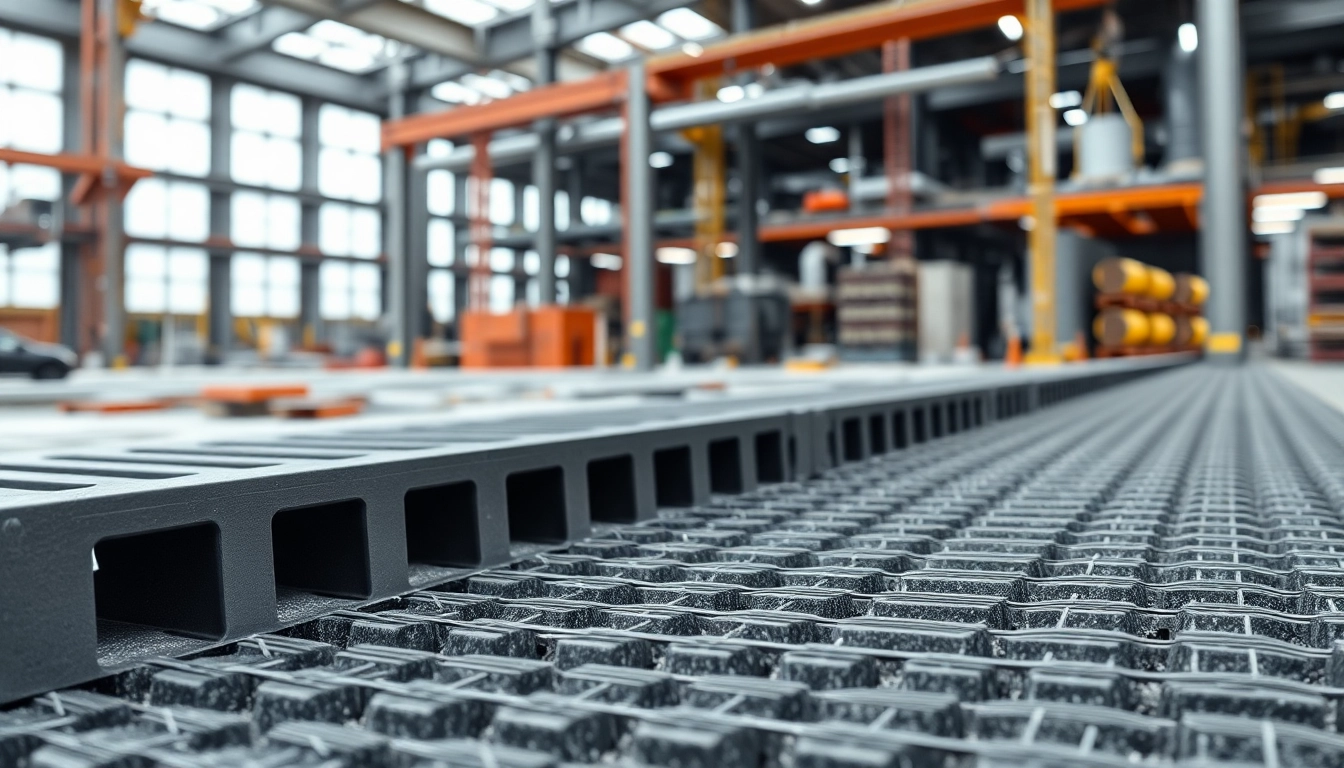
Understanding GRP Grating
What is GRP Grating?
Glass Reinforced Plastic (GRP) grating is a composite material commonly used in industrial and commercial applications. Made from a thermosetting resin combined with glass fiber reinforcement, GRP grating boasts exceptional strength-to-weight ratio, corrosion resistance, and chemical stability. It comes in various forms, including molded and pultruded grating, making it ideal for diverse environments. Due to its non-conductive properties and flexibility in design, GRP grating is becoming increasingly popular in sectors that require durable and reliable flooring solutions.
Advantages of Choosing GRP Grating Supplier
Choosing the right GRP grating supplier is crucial for ensuring high-quality products that meet specific project requirements. An established supplier offers advantages such as compliance with industry standards, diverse product selection, and expertise in application-specific recommendations. Additionally, suppliers often provide extensive technical support, helping clients make informed choices regarding installation, maintenance, and performance of the grating systems. For businesses looking to maximize efficiency and reduce costs, partnering with a knowledgeable GRP Grating Supplier can lead to improved outcomes.
Applications of GRP Grating in Various Industries
GRP grating can be found across various sectors, including:
- Chemical Processing: Its resistance to corrosive substances makes GRP grating ideal for chemical plants.
- Water Treatment: GRP's durability facilitates its use in sewage treatment facilities and water purification plants.
- Food Industry: The non-porous surface of GRP grating meets hygienic requirements for food processing environments.
- Marine Applications: GRP's lightweight and non-corrosive nature is suitable for docks and offshore platforms.
- Infrastructure: GRP grating is used in walkways, staircases, and other architectural features, offering safety and aesthetics.
Benefits of GRP Grating
Lightweight and Durable Material Properties
The lightweight nature of GRP grating significantly reduces the structural load compared to conventional materials like steel or wood. This property makes it easier to handle and install, thus saving time and labor costs. Moreover, GRP is engineered to resist impact and deformation under loads, ensuring long-lasting performance in high-traffic areas.
Corrosion and Chemical Resistance
One of the standout features of GRP grating is its non-corrosive properties. Unlike traditional materials, GRP does not rust or deteriorate when exposed to harsh chemicals or environmental conditions. This durability minimizes the need for replacement and maintenance, leading to lower overall costs for facilities operating in corrosive environments, such as chemical plants and wastewater facilities.
Cost-Effectiveness and Maintenance Savings
GRP grating is not only cost-effective initially but also over its lifecycle. Its resistance to corrosion and low maintenance requirements lead to significant savings on repairs and replacements. Additionally, the ease of installation can also reduce labor costs. The total cost of ownership makes GRP grating an attractive option for budget-conscious industries.
Selecting the Right GRP Grating Supplier
Evaluating Quality Standards and Certifications
When selecting a GRP grating supplier, scrutinizing their adherence to quality standards is essential. Look for suppliers who provide products certified by recognized industry standards, such as ASTM or ISO. Certifications assure that the materials used meet specific safety, quality, and performance benchmarks. Partnering with a supplier committed to maintaining these standards can provide peace of mind and reliability.
Assessing Customer Support and Service
In addition to product quality, excellent customer service plays a vital role in establishing a successful partnership. A reputable supplier will not only provide a range of products but will also offer personalized support throughout the purchasing process. This includes assisting with material selection, installation guidelines, and after-sales service. Evaluate customer reviews and testimonials to gauge the service level provided by prospective suppliers.
Comparison with Alternative Grating Solutions
Understanding how GRP grating compares to alternative materials is beneficial for making an informed decision. While metal grating may offer strength, it often suffers from corrosion issues, leading to higher maintenance costs. In contrast, plastic grating, while lightweight, may not provide the same load-bearing capabilities or durability. In most cases, GRP grating stands out as a balanced solution, combining durability, cost-effectiveness, and low maintenance.
Installation and Maintenance of GRP Grating
Installation Best Practices for Maximum Safety
Proper installation of GRP grating is critical for ensuring safety and performance. The following best practices should be adhered to:
- Ensure that the surface is clean and free from debris before installation.
- Use the recommended installation tools and procedures outlined by the manufacturer.
- Securely fasten grating panels with the proper clips or fasteners to prevent shifting.
- Ensure compliance with local building codes and safety regulations throughout the installation process.
Routine Maintenance Tips to Extend Lifespan
While GRP grating requires less maintenance than traditional materials, regularly inspecting it can enhance its longevity. Here are some maintenance tips:
- Conduct routine inspections to identify any signs of wear or damage.
- Clean the surface regularly to prevent the accumulation of dirt and debris.
- Check for loose or damaged fasteners and replace them as needed.
- Address any minor issues immediately to prevent larger problems.
Identifying Common Issues and Solutions
Identifying common issues with GRP grating and implementing preventive measures can greatly extend its life and performance. Some common issues include:
- Surface Wear: Due to heavy traffic, surface wear can occur. Use non-abrasive cleaners to maintain the surface finish.
- Color Fading: UV exposure can cause fading. Utilize UV-resistant coatings to enhance durability and appearance.
- Movement of Panels: Panels may shift if not properly secured. Regularly check fasteners and re-tighten them as needed.
Future Trends in GRP Grating Solutions
Innovations in Manufacturing Techniques
As technology progresses, so do manufacturing techniques for GRP grating. Innovations like automated production lines and advanced molding processes are improving consistency and quality. These developments also lead to the introduction of custom designs and properties tailored to specific applications, thus expanding the usability of GRP grating in various industries.
The Growing Importance of Sustainability
With increasing emphasis on sustainability, the production of GRP materials is adapting to meet eco-friendly standards. Many suppliers are now focusing on using recycled components in their products and ensuring that manufacturing processes minimize waste. Adopting sustainable practices not only benefits the environment but also meets the demands of environmentally-conscious consumers and businesses.
Predicted Shifts in Market Demands
Market demands for GRP grating are expected to grow as various industries recognize the advantages of advanced composite materials. Key sectors projected to increase usage include construction, utility infrastructure, and industrial applications. As awareness of the benefits of GRP continues to grow, suppliers will likely expand their product offerings, leading to enhanced competition and innovation in design and functionality.
Frequently Asked Questions
What is the difference between molded and pultruded GRP grating?
Molded grating is created using a compression molding process, making it thicker and suitable for various applications. Pultruded grating involves continuous manufacturing to produce lightweight, high-strength panels perfect for load-bearing applications.
How does GRP grating fare against steel grating?
Compared to steel, GRP grating is lighter, rust-resistant, and does not require painting or regular maintenance. It is also non-conductive, making it safer in certain environments.
Can GRP grating be customized for specific projects?
Yes, many suppliers offer customization options for GRP grating, including sizes, colors, and load-carrying capacities to suit specific project requirements.
How long does GRP grating typically last?
With proper maintenance, GRP grating can last over 20 years, making it a durable and cost-effective flooring solution for various applications.
Is GRP grating safe for use around food?
Yes, GRP grating can be manufactured to meet hygiene standards, making it suitable for food processing areas. Its non-porous surface helps prevent bacteria growth.